
Listen & subscribe on Apple Podcasts, Spotify and more.
Season 6 / Episode 13 / 32:42
Creating office destinations outside city centers with Faron Brazis | Tenant Engagement Manager | Hobbs Brook Real Estate
Transcript
DA: Welcome to TEN, the Tenant Experience Network. I’m your host, David Abrams and in each episode, we bring you conversations with leading CRE industry professionals and experts who all have something to say about tenant experience and the future of the workplace. In today’s episode, Faron Brazis, Tenant Engagement Manager at Hobbs Brook Real Estate, joins me to share her journey into tenant engagement and how the role continues to evolve as the workplace changes. Faron brings a unique background spanning politics, customer service and event planning which has shaped her people-first approach to creating meaningful workplace experiences. We discuss how suburban office environments are adapting to meet changing tenant expectations, the growing role of hospitality and commercial real estate, and why human connection remains essential even as technology becomes more embedded in buildings. Faron shares insights on data integration challenges, sustainability initiatives, and how offices are becoming destinations rather than just places to work. She also explains how suburban office spaces are adapting to provide city-like conveniences for today’s tenants. Continue listening for a conversation about where tenant engagement is headed and how authenticity, hospitality, and creativity are shaping the future of the workplace.
And now I’d like to welcome to the show Faron. I’m so glad you could be with us and I’m really looking forward to our conversation today. How are you?
FB: I’m doing all right. How are you?
DA: I’m well, thank you. Let’s jump right in. Let’s start with your journey to your current position role. How did you get started in this business?
Read more
FB: I like to joke like everyone I talk to, they just fall into it. So I kind of fell into it a bit. I started off actually in politics with campaigning, precinct analysis kind of stuff, and then moved into customer service and event planning and management, which isn’t that big of a jump because essentially you’re just taking like an asset or a person and finding the best qualities and finding what people want and kind of meshing everything together. So it was pretty easy jump.
DA: Right and how long ago was that?
FB: Oh boy. So I think specifically in this, I’ve been doing it for eight years now.
DA: Okay and specifically in the tenant engagement, tenant appreciation, tenant experience role?
FB: Yep.
DA: So what does that journey look like? If you’ve been in it for eight years now, thinking about when you first started to where we are today, any obvious sort of observations around how that role has progressed?
FB: Oh gosh. Yes. So I started right before COVID and so you can imagine that, I mean, that disrupted everyone. But it was very interesting to come into it and see how things had been set up already, where tenant engagement was kind of, you know, an ice cream social in the lobby. It was having a gym and then COVID happened, and we had to rethink things. People still wanted engagement, but then it went virtual and then people came back, it became hybrid and now it’s leaning more towards still in person, but still kind of has a little bit of that like hybrid aftertaste and that’s just been incredibly interesting. Just even rethinking how buildings are thought of essentially, more as a destination and something that people want to go to instead of just where their job is.
DA: Right. So tell me a little bit about the company that you’re working with, a little bit unique in the commercial real estate space. From your perspective, how does it differentiate? And why have they latched onto this whole notion of customer experience and put a position in place that you’ve been able to occupy for so long now?
FB: Um, so I work for Hobbs Brook Real Estate. We’re based out of Waltham, Massachusetts, and primarily, our assets are suburban and so tenant engagement in the suburban area, definitely exploded after COVID because you had everyone move out to the suburbs. But then when the mandate happened, and people came back, they still wanted that like class A touch. They wanted to be able to walk out of the building and go to a restaurant. You can imagine in a lot of suburban areas, you walk out of the building, there’s a highway and a gas station just down the road and so I think Hobbs Brook has done a really good job of kind of refocusing that customer service aspect and going more from, you know, landlord, renter relationship into something where we want to provide those conveniences that people had in the city and moreover, measure whether or not it’s actually working or not. Because I think that’s something in our, in this particular like niche, like tenant engagement. It’s one thing to throw events and to have a gym and to do all these things. But if it’s actually making a difference, if you’re actually seeing tenant renewals, and new leases, that’s all entirely different thing. So I think we have a pretty good handle on that and I definitely think that differentiates us, just this general approach and how much they’re like putting into it.
DA: Right. All right. We’ll go deeper into that. But before we do, I’m just curious, given that you sort of came from a different background, why do you think you’ve been successful in this role? What skills, experiences, mentors, colleagues, books, education, what do you think has positioned you for success here?
FB: I wear a lot of hats and I, yeah, I generally don’t look good in hats, but I have to wear them and so I think coming from a more political data role has really helped in pushing like data analysis and proving all of the metrics that we’re measuring within tenant engagement. I think the customer service obviously has really helped with just tenant relationships. There were two things that came to mind as far as things that kind of shaped that I think really helped me in this particular role. One of the event companies that I worked at, great owner, company had been around since the 50s and he had this saying that he would always say anytime anyone questioned anything or something came up, he was like, you know, this is happening like X, Y, Z, but we’re going to make it happen. No matter what, we’re going to make it happen. We’re going to pivot. We’re going to figure it out. The show must go on essentially and I thought, and it’s just, it’s very simple, but I think it’s very powerful because especially in the event industry, you don’t always have rain dates. You don’t always have second opportunities. You have one thing and you need to make it happen and whether it’s a vendor being late or something with the emails not working and you’re dealing with like thousands of people, the pressure is a little high, but you make it happen and that kind of drive just to keep it going and to be creative, to think on your feet, I think has really helped. Another one, which is a little bit probably more unusual, is I started taking a lot of improv classes and it honestly helped me so much like during meetings, talking with tenants and stuff, because it changes things from not just like thinking in my head what I want to say to people, but to really listen and understand and to like accept the help that they are giving and also to provide that same level of help back and again, like a simple concept, but just really diving into it, it’s amazing how much we kind of don’t listen and like we kind of listen, but we don’t hear what people are saying and so I think that that’s really helped.
DA: Right. Well, two interesting points on the latter, you know, the idea of listening to hear versus listening to respond and there’s a difference. I think you’ve articulated that well on your first point. It kind of connected to your second point, because what I was thinking about was live theater. You know, you’re in the moment, the show’s got to go on and to, you know, drawing on your comparison to improv when you’re literally just going at it and reacting and engaging based on whatever it is you’re hearing or seeing in the moment. So two interesting perspectives that you bring to the table. Listen, I’m super fascinated and interested in this whole evolution of commercial real estate and you spoke about it and I agree that we’re really our job is to help make what we call places, destinations of choice, a place where people want to be and I think that that in turn has really changed the focus of the core purpose of office and you are certainly embedded in this world of suburban office. So you bring that perspective, which is really interesting, and I think will be helpful to our listeners to understand. It’s a category we don’t often talk about. We’re always focused on that urban class A, but I think that you represent the really interesting segment of the industry that obviously got a lot of attention during COVID as we all moved out to the suburbs. But, you know, here we are today and how do we continue to make it work? So I’m just curious what your thoughts are on how the industry, particularly the suburban market, continues to respond to the needs of people and how you’re going to satisfy those needs and continue to build a viable business.
FB: Yeah, great question. So it’s funny, I was talking to a friend yesterday who works in prop tech, and he says that he goes into pitches with the strategy of presenting the good, the bad and the ugly and I thought it was very interesting and it kind of applies here. You know, we’re currently buried in a lot of data, and all of it’s valuable. But there’s definitely a need for connection. You know, a tenant engagement used to have ice cream socials, and that was your engagement program and now like we’ve been talking about, it’s customer centric. Businesses are relying on us to supplement amenities and conveniences that make it that destination. You have these small businesses that necessarily can’t afford a robust employee engagement program or HR department, but we can provide that as the landlord and so I think generally across the board, we’re all adapting pretty well to this idea. We’ve accepted that we’re more of an extension of our tenants and kind of a blend extension of our community as well.
DA: I love that and I think, you know, I’ve been saying something similar for quite some time, that I think there’s a real opportunity for building owner operators to be more collaborative, collaborate more closely with their tenants. It used to be very much they sign a five year, 10 year lease, you pretty much were hands off, you let them do their thing and I think there’s a greater opportunity to be more collaborative to support them and to your point, you know, perhaps in your markets, and maybe different types of tenancies, they don’t have the resources in place, they don’t have the programs in place, they don’t have the food and beverage program. So how do you supplement? How do you connect them to the community and offer and support them in that effort? And I know that you’re very focused not just on those ice cream socials, but really trying to create a more integrated and holistic solution. I’d love to hear more about that as we go through the conversation.
FB: Yeah, of course.
DA: So you know, I think going forward, I think our customer, our tenants, they’re going to expect to sort of one stop seamless and personalized solution that helps them enjoy their work experience even more and so they’re going to look for opportunities for greater connectedness, opportunities to foster more productivity, and ultimately just making it easier and better for them and I believe that customer experience and engagement, you know, one interaction at a time will have an opportunity to move that needle. So I’m just curious, what you think from a technology perspective, you know, what are we doing really well? What is not working at all? And maybe what could we be doing better?
FB: So one thing that I want to say here that it’s important to me being in tenant engagement is that human aspect of things that as things like AI and geofencing, and all these things are really taking over conversations. It’s really important to not lose sight of that. After COVID, you know, we did polls, you know, you can read it on news articles. The driving factor for people coming back into the office was knowing who was going to be there. It wasn’t, you know, the cafes, it wasn’t hot desks, it wasn’t anything like that. It was who’s going to be there? Like, do I want to be there?
DA: Right
FB: And so with that in mind, I think new technologies that are going to be successful in driving improved customer experiences are the ones that really focus on ergonomic approaches and adaptation. So designing buildings that work with people, and not solely get in place for just being the new shiny thing on the market.
DA: Right
FB: And I think this comes in the context of like, everything from mobile wallets to efficient cafe, checkout systems to keep the line moving, sensors, so you can really understand like how your building is operating and some people have different opinions on this, but like AI and chatbots. I think one of the things that is working there is without losing the human touch is taking the burden of these repetitive redundant questions off of the property management teams and giving tenants a really quick turnaround of an answer and again, it’s not necessarily losing the human touch. It’s just providing a faster customer service.
DA: Right
FB: I think in terms of like what’s missing, I want to go back to the idea of like the good, the bad, and the ugly, because I think that that’s a good approach here. The good here is that, you know, tech is growing. It’s being adopted. We’re finally doing things. It’s moving from a luxury to an absolute necessity. I think more of the bad is that it’s taken as long as it has to get here and so now we have this backlog of tons and tons of data and that’s a massive undertaking to really organize it and to really make sense of everything and so like in the ugly part is literally the data. You know, hundreds of independent prop tech companies are popping up and they’re measuring different things and each one is different and they all have their own benefits. But there is oftentimes a lack of a centralization of these things. It’s difficult to really understand a full holistic picture of your property and what’s happening when you have all of these like unconnected data streams. So I think that that is something that we’re eventually going to see more of in the industry. So just kind of this overhaul on getting all of these data points put together.
DA: Yep, well I think that’s a great insight. I think it’s a great insight and I think that ultimately, you know, you’re always going to look for best in class partners and it may not be the case that there’s only one. It may be that you need to work with two or three. But I think the way the industry needs to evolve is we need to play better together in the sandbox and I think that we need to not look at territorially at what we do, but also look holistically and as we enter into partnerships with real estate operators and owners like yourself, you’ve got to understand that there’s an ecosystem being created and, you know, to the extent that we can look at the shared data between these platforms, and then be able to take a visualization holistically, I think is going to provide far greater value to our partner.
FB: Yeah
DA: Agreed. So, you know, commercial real estate is going to continue to evolve. It represents significant opportunity for our industry, the fact that we’re not stagnant, and we’re really moving much faster than we used to. You know, often the constraint might be budget or resources. So I’m going to give you an opportunity to dream a little. If I gave you a bucket of gold, that provided unlimited resources, unlimited capital to maybe do some things that you maybe were on your radar, but you haven’t been able to entertain to date. What are one or two examples of things that you would love to delve deeper into, you know, that would position your business, your company for success over the next three to five years?
FB: Oh, boy. So I think we, I truly believe that we are doing a really good job at this and the whole concept of destination office, bringing amenities and conveniences that people actually want to go to. So on that note, I think if money was absolutely no object, I would build out dedicated amenity spaces where people can come and get those things regularly. So we offer massages and manicures and bike tune ups and all of these things and sometimes it’s difficult to find a space for it where that is central to everyone’s. We have, you know, seven or eight buildings on this campus, so it’s difficult. But if you have like a dedicated space for it becomes a little bit easier and so I would just build out, I don’t know, some kind of like grassy knoll with an amphitheater seating and just have a good place for everybody to connect.
DA: Yeah.
FB: So I think that would be fun. Tenants could rent it out. I think a second one is the use of green space for something more than just like one or two, you know, beehives on campus or a garden. We currently have a vegetable garden on campus and it produces like hundreds of pounds of produce a year and some of that gets split up between our cafe. Some of it goes to a local food bank and some of it goes home with the tenants who kind of help manage and like weed and just kind of go out there to hang out. I wish we had a ton of space to build a massive more farm just to really maybe even like 50 to 60 percent of our food coming from there and just kind of making this self-sustaining campus, I think would be just absolutely amazing and, you know, it goes with all the green technology, you know, that’s, you know, prevalent today that people are wanting to see and I think that would be great.
DA: I love that. I love that. It aligns with ESG initiatives and, you know, corporate values as well as the owner builder operator values. So definitely a community building exercise, right?
FB: Yeah, definitely.
DA: Very cool. On that note, let’s take a short commercial break and we will be right back. COMMERCIAL BREAK
DA: And now I’d like to welcome back to the show, Faron Brazis, Tenant Engagement Manager at Hobbs Brook Real Estate. Again, I’m so glad you could be with us today and really enjoying our conversation. Guest after guest on this program going way back to the beginning of COVID 2020 have all echoed the same sentiment that each and every person that enters their building is now their customer. Of course, it used to be the person that signed the lease every five years or 10 years. So that’s been a dramatic change in our industry and I think that all of our occupants now have a greater voice in the programs and the services and the experience that we now offer. So I think we’re finally at a time where this notion of hospitality is truly becoming embedded in office and we recognize the opportunity to think more like hotels and restaurants and I think that really changes the industry. Now, not all have understood this and moved as quickly as I think we should be. But I’m just curious, we believe that this notion of hospitality can really blur the boundaries between class A, B and C, between urban and suburban. It makes for a more level playing field. So with your focus on tenant engagement, I’m just wondering, how do you think about this? And what other ways do you believe or are you working towards in terms of making good on that promise of just being more hospitable and offering the best possible experience?
FB: Yeah, someone had mentioned the phrase, you know, what if hospitality was the new currency? And I think that’s a very compelling idea because it speaks to something deeper than just amenities or design trends. People don’t come into buildings just to perform tasks. You know, they bring with them family matters, stress, aspirations, all of those things and treating every person as a guest and not just a tenant or a badge swipe really acknowledges that human side of the workplace that we kind of overlook sometimes. Side note, you know, it is different to differentiate between hospitality, true value and hospitality as a performance. You know, humans are perceptive and so we know when we’re being marketed to as opposed to just being supported. But those that can really manage that and truly provide like a value service, I think that goes to create these better engaged, vibrant communities and I think that this whole idea, you know, restaurants and hotels, it’s the idea that being in a building means it’s no longer just about occupying space. It’s about being there with intention, being there with meaning. So, you know, I go to a restaurant because I want the experience. I want the convenience. I go to a hotel because I want to visit new cities. Those aren’t the reasons that people go to an office building historically. So we’re seeing buildings as more than just containers for work. COVID showed us that, you know, people can work anywhere. But what they can’t get is that sense of connection and shared purpose that you get coming to work in an office place with colleagues. So I think that the challenge and the opportunity here for commercial real estate is not simply to make offices like hotels and restaurants, but to more so rethink how we acknowledge the human experience inside of these environments and I think those that can do that will not only differentiate themselves, but they will elevate the role of the workplace in people’s lives and make it somewhere where it’s not just somewhere to get a paycheck, a destination.
DA: So to be clear, we can draw from the hotel and restaurant industry, but we still need to create an authentic version of what that looks like for office. Bang on.
DA: Yep, Definitely
FB: I love it. Great insight. So listen, we all bring these different perspectives, backgrounds, areas of expertise to this whole notion of office and the future of work. What haven’t we talked about yet that you think is having impact on how buildings can play a critical role in now what is this much larger workplace ecosystem? To your point earlier, people can work from anywhere. So anything else that you’re thinking about that office needs to consider as we, again, continue to make places a destination of choice?
FB: I think just reiterating the office ecosystem kind of being seen in two layers, that human aspect, and then a systems act, like a systems layer here, because you have people, but then you also have building technologies and so when you think of things like ESG, that’s a topic of many conversations today, I see that as buildings becoming ethical infrastructure that is supporting climate goals. It’s supporting human experiences, essentially. You have things like IOT and AI and all that kind of stuff and it’s not necessarily just cool gadgets, but it’s a feedback loop on how people are experiencing the building. Talk of metrics and ROI, you’re more than just value that’s being measured by rent rules, income, all that things, but it’s tenant renewals. It’s how hard would it be for a tenant to really walk away from this greater ecosystem? So I think designing buildings where people genuinely want to be is going to position those assets to outperform both financially and culturally in this aspect. So that’s kind of this intersection that I’m thinking about when we talk about a greater workplace ecosystem.
DA: Right. Love it. Love it. Thank you so much. Our closing speed round is an opportunity to get to know you, Faron, a little bit better. So I’m just curious, looking back, what’s one piece of advice that you wish someone had given you when you first started out in your career?
FB: Don’t be afraid to speak up for yourself and share your own ideas because they’re not dumb. You are an expert in the field that you’re in. You do this work for 40 hours a week. If I practiced violin for 40 hours a week, I’d be playing in the Boston Pops and so you have this value that you bring that no one else does and your voice is important and it’s important to share those things for the greater benefit of the company even.
DA: Cool. Amazing. Is there one favorite book or podcast that has positively affected how you work or live?
FB: Um, so I listen to a lot of philosophy and Dungeons and Dragons podcasts. So I’m not sure exactly what that says about me. But it does help me to think more creatively and to constantly be challenged of creating new things and being different and I think that I do draw a lot of inspiration from that.
DA: Right. Right. Name one way in which technology specifically has improved how you live or work.
FB: I really enjoy learning anything, whether it’s a new language, it’s a new skill, it’s anything like that and it’s just become so accessible. So like on a whole general like YouTube and videos and training and those kinds of aspects, websites where you can like Harvard EDX, you can go and specialize in like a new field if you wanted to. I think it blows my mind. I mean, like I replaced the igniter on my gas stove the other day and I’ve replaced taillight. Things that like I wouldn’t normally know how to do, but because of like YouTube, I figured it out and it’s such a cool thing.
DA: Okay. So you’re powering through all these new opportunities, utilizing everything available to you to help make that happen. Very cool. Listen, commercial real estate is continuing to evolve. I believe, I kind of feel like we’re going to start to see new skills, new roles come into particularly in the office category within real estate. That we’re going to be looking for people that perhaps the industry did not historically employ. Any thoughts on that? What do you think the industry might need now and into the next three to five years?
FB: I think there’s going to be a greater focus on science in general, data science to analyze what already exists, like environmental science to figure out how we can be better. But then also more creatives because you have all this stuff now, but how do you deploy it? What do you do with it? And that I think takes a very creative approach. So like that blend between science and art, I think going forward is what I would see.
DA: I think you’re right. I think that historically our industry used to be very task oriented and departmental and your skill sets were very much tied to the role that you played and I think that notion of science, that notion of creativity, and I think just critical thinking, right? The ability to think more broadly. It’s exciting. I think it’s great for the industry because I think it’s going to attract a lot of young and smart talent to the business. If you were not doing what you’re doing right now, if you had an opportunity to go back in time and maybe do something like completely different, what do you think that would look like?
FB: Um, I think I would have got to go to art school and I would become a painter and I would just spend all day painting and making beautiful and thought provoking pieces of art. I think that would be really fun.
DA: Is there a particular genre that inspires you? Is there an artist historically that you love?
FB: It’s a little bit everywhere because I love Dali. I love the absurdism. I love the crazy contemporary stuff. But then I also have such an appreciation for Caravaggio and the old classics that really focused on light and just everything. Yeah, so a little bit of all of them.
DA: Amazing. All right. Listen, Faron, thank you so much for joining us today on the program. I really enjoyed the conversation. Kudos to you and the company for recognizing the importance of tenant experience, tenant engagement in a class of real estate that I think has a lot of opportunity to differentiate. So continued success to you and thanks for being a part of the conversation.
FB: Thanks for having me.
DA: That’s a wrap on today’s episode of TEN. I want to thank Faron for joining me on the program. If you enjoyed this episode, don’t forget to subscribe and leave a review. It helps others find the show. Thanks for listening and until next time, I wish you all continued success in building community where you work and live.
What makes the office worth the commute with Lachlan MacQuarrie | SVP Business Development & Customer Success | Canderel
Season 7 / Episode 3 / 41:59
In this episode, Lachlan discusses how CRE is evolving and why the future of office will be shaped as much by people and service as it is by buildings and technology. We also explore why hospitality is an operating philosophy, how operators can measure the impact of tenant experience, and the expanding role of property management.
From distressed assets to destination offices with Nick Bakish | Partner | Group RMC
Season 7 / Episode 2 / 33:55
In this episode, Nick discusses what it really means to bring hospitality into commercial real estate — not as a nice-to-have, but as a table-stakes differentiator — and how owners are now using proprietary technology, real-time data, and consistent branding across their portfolios to measure and improve the tenant experience at scale.

How office buildings must compete on experience with Raka Josan | President & CEO | Josan Properties
Season 7 / Episode 1 / 47:37
In this episode, Raka discusses what tenants are prioritizing today, and how operators can make hospitality more real, even outside the top tier of Class A towers. Raka makes a strong case for the human touch as the core of tenant experience, and explains why the property manager has become the building’s most important ambassador.

TEN Season 6 Highlights
On season 6 of the TEN podcast, host David Abrams connected with some exceptional leaders in commercial real estate who are at the forefront of innovation, technology, and delivering a hospitality-inspired customer experience to the workplace. Have a listen to some of our favorite clips.
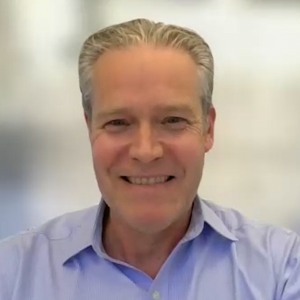
What makes the office worth the commute with Lachlan MacQuarrie | SVP Business Development & Customer Success | Canderel
Season 7 / Episode 3 / 41:59
In this episode, Lachlan discusses how CRE is evolving and why the future of office will be shaped as much by people and service as it is by buildings and technology. We also explore why hospitality is an operating philosophy, how operators can measure the impact of tenant experience, and the expanding role of property management.
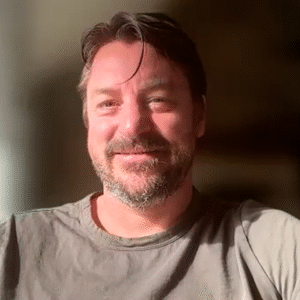
From distressed assets to destination offices with Nick Bakish | Partner | Group RMC
Season 7 / Episode 2 / 33:55
In this episode, Nick discusses what it really means to bring hospitality into commercial real estate — not as a nice-to-have, but as a table-stakes differentiator — and how owners are now using proprietary technology, real-time data, and consistent branding across their portfolios to measure and improve the tenant experience at scale.
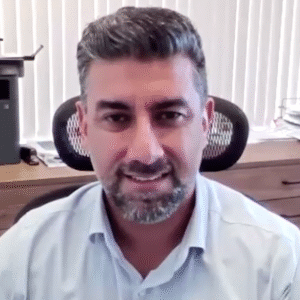
How office buildings must compete on experience with Raka Josan | President & CEO | Josan Properties
Season 7 / Episode 1 / 47:37
In this episode, Raka discusses what tenants are prioritizing today, and how operators can make hospitality more real, even outside the top tier of Class A towers. Raka makes a strong case for the human touch as the core of tenant experience, and explains why the property manager has become the building’s most important ambassador.
TEN Season 6 Highlights
On season 6 of the TEN podcast, host David Abrams connected with some exceptional leaders in commercial real estate who are at the forefront of innovation, technology, and delivering a hospitality-inspired customer experience to the workplace. Have a listen to some of our favorite clips.