
Listen & subscribe on Apple Podcasts, Spotify and more.
Season 7 / Episode 1 / 47:37
How office buildings must compete on experience with Raka Josan | President & CEO | Josan Properties
Transcript
DA: Welcome to TEN, the Tenant Experience Network. I’m your host, David Abrams and in each episode, we bring you conversations with leading CRE industry professionals and experts who all have something to say about tenant experience and the future of the workplace. In today’s episode, I’m joined by Raka Josan, President and CEO of Josan Properties, for a candid conversation about what’s changing in building operations and what great property management looks like when experience becomes the differentiator.
Raka shares his path from growing up in a family real estate business to building his leadership foundation through development and time at Brookfield before returning to Edmonton to help grow Josan Properties. We talk about how the expectations of tenants have shifted from the building works to the building feels right and why elements like lobby atmosphere, coffee, art, service, and community now play a much bigger role in whether people actually want to come in. We also get into what tenants are prioritizing today, especially amenities, health and well-being, and the growing importance of safety and security, and how operators can make hospitality more real even outside the top tier of Class A towers.
Raka makes a strong case for the human touch as the core of tenant experience and explains why the property manager has become the building’s most important ambassador. On the technology side, we dig into where PropTech is helping communication, access, parking, and engagement, and where the industry still has work to do, creating a more unified end-to-end experience that reduces friction instead of sending tenants to a stack of separate apps. And near the end, Raka lays out a few priorities he believes will keep buildings competitive in the years ahead, including the idea of true concierge-style service, the role of technology in supporting that service model, and why lobbies should evolve into more active, welcoming, touchdown spaces and not just corridors people rush through.
If you’re about how to build stronger tenant relationships, improve retention, and make your buildings feel more like destinations, this episode is for you. Let’s get into it. And now I’d like to welcome Raka to the show. I’m really glad you could be with us today. How are you?
RJ: I’m great, David, thanks. It’s a pleasure to be here.
DA: Well, it’s my pleasure. I’m glad we were able to find time. Let’s jump in and start with your path into commercial real estate. How did you get started? And specifically from the operational side of the business, what’s positioned you for success? How have you prepared for the role that you have?
Read more
RJ: Yeah, thanks, David. So coming from a family business, like a lot of small businesses in Canada or in the West, the business was started by my parents back in the 90s, and I kind of grew up in the business. So my dad used to be a residential real estate agent. He eventually graduated into becoming an investor, single family homes, and then apartments. And so it was kind of in the mid 90s when I was a teenager that I started tagging along with my dad to work. I just enjoyed hanging out with him and subconsciously learned the business a little bit. I don’t think my purpose there was to actually think about taking over the business or anything like that, but just grew up changing toilets and painting units. We managed, my dad managed, owned and managed a bunch of small kind of three-story walk-up wood-framed buildings. And there were always issues there. So there was lots of work to do. And so a teenage boy helping out was good for my dad and it was good for us. My summers and weekends were spent there a lot of the time. So after that, I went and did my mechanical engineering degree at university, graduated shortly after the dot-com bubble had burst. We’ll remember that in kind of 2000, 2001. So there were really no jobs out there for engineers. And my dad said, you know, while you’re looking for a job, why don’t you come help out on this new apartment project that we’re developing? And I said, sure, that sounds cool. You know, while I’m applying, I’ll just come hang out on site. It turned into full project management. I was pretty green when I started there. It was a five-building row housing complex. And I was really green when I started, I should say, and cut my teeth there in development and just fell in love with it after just a few months on the job and realized that maybe I don’t want to go back to engineering. I just wanted to do real estate and real estate development, particularly. So I got some really good experience there, but I didn’t have any business education. So went back and did my MBA at university again. And lucky for me, Brookfield Properties hired me during my summer between my two semesters and then hired me full-time after that. So I was with Brookfield on the office leasing side for Western Canada, the Western Canadian portfolio, about a year and a half. Learned kind of that side of things. And really just, there were some really talented, really great people that worked there. The COO of Canada was Tom Farley at the time, still with Brookfield. I learned a ton overhearing his conversations. His cubicle, he was a COO and I was a junior financial analyst and our cubicles were right next to each other. So I was hearing some very important conversations and learning a lot from Tom and company there. So that was a lot of fun. And then in 2006, a little earlier than I perhaps had expected, my parents gave me a call and said, you know, I think we’re done. We’re going to wind up the business. Do you have any interest in coming back to Edmonton and seeing if you can make a go of it? And so I immediately wrote out my two week notice to Brookfield and said I had a pleasure working there, but had another calling here. So I came back to Edmonton around that time. And then after a two to three year transition period from my dad, I took the helm as president and CEO. So I’ve been there for about 16 or 17 years now.
DA: Wow. When you were at Brookfield, were you based in Edmonton or in Toronto?
RJ: I was in Calgary. Yeah. So I was looking after the Western portfolio of office assets and assets in Winnipeg, Calgary, Edmonton and Vancouver at the time. So it was fantastic. Just a huge learning experience. And really what I learned there is how a really fine-tuned, well-run company is run. And I just took so many of those learnings to my own company when I came back to Edmonton.
DA: Well, yeah, totally get that. And we have that in common. My first client on the agency side before starting Hilo was Brookfield. We opened Brookfield Place in Toronto and had the privilege of serving Brookfield for 25 plus years. So a lot of history with the company and those early days, a very well-run machine and a very exciting company to work with and to be a part of. So great place for you to cut your teeth as well. So I’m just curious, as you talked about learning some of those best practices, as you look to your business today, what, if anything, differentiates you from others in the industry and perhaps anything that you’ve picked up along the way?
RJ: Yeah, I think a couple of things. One is we’re still family-owned, privately held. So we’re small but kind of mighty executive team. We work really quickly and effectively. We don’t have any kind of bureaucratic system or even a board at this point to go through. It’s really our exec team that makes the decisions. And we’re quick and nimble in that way. So in some sense, at least today, we’re competing in a traditionally institutional space with larger office buildings, yet we’re private and we’re quick. So from that point of view, quite competitive. And then the second thing I would say is that we’re really not afraid to take on projects with some hair on them. We’ve done a number of repositionings over the years. They seemed like self-inflicted brain damage at times, but they were learning experiences nevertheless. We’re really good at seeing opportunity and not shying away from mismanaged, underutilized.
DA: Tough deals.
RJ: Tough deals. A lot of the more institutional or larger investors will shy away from those a little bit. But we’ve been pretty good at finding some diamonds in the rough and repositioning them and doing well on those deals.
DA: Right. Is your father still involved in the business?
RJ: He is not. He hasn’t been actively involved for about 16 or 17 years, but he is and I think always will be my most trusted advisor. Anytime I’m looking at a new deal or taking a big step in the business, I’ll definitely give him a call. He’s still got an office in our office here. So he always will have that as the founder and as my role model and the person who got it all started. So he’s always around, but he usually just comes in for a coffee and to make some jokes with people.
DA: That’s awesome. It’s great that you’re able to honor that relationship and have him still be around and part of your journey, maybe not directly, but indirectly.
RJ: Yeah, for sure. I always tell people, I think that’s the parent child relationship. Now with children of my own, I understand it where I don’t think there’s anybody in the world that wishes you better than your parents. So I completely honor that relationship.
DA: That’s the hope for sure. That’s great. So listen, over the last number of years, the commercial real estate industry has gone through such a period of unprecedented disruption. What do you think as an owner and operator has changed the most in how you think about operating a building today?
RJ: I would say pre-COVID, or even before that, operating a building of any type was about the physical assets. It was about making sure the heating works in the winter and the air conditioning works in the summer, making sure the common areas are clean, the walks are shoveled, or the landscaping is up to snuff. And that was really it. You’d really done your job as a PM or even as an owner providing the physical asset to the tenant. I think today that’s all changed. I think it’s shifted to property management and ownership being more about the total tenant experience. So it’s really not enough to just provide a physical asset. There are a lot less tangible things like ambience in your lobby, art, music, a cafe. I feel a coffee shop somewhere in your building for these larger office buildings is really important. I think it’s about the feeling that your tenants and guests get when they come into the building. That’s a lot more important from an ownership and management perspective. It’s about building a community in your building where guests and tenants feel welcome and part of something. They’re not just putting their head down on their phone and walking through your lobby up to their space. They’re engaged as soon as they walk into your building. That’s the shift and it’s happening.
DA: Well, I think you’ve picked up on a sentiment that I’m a big believer in. And I think, you know, this, this notion that the office is no longer just about providing space. That’s really not your business anymore. That’s really a commodity and, you know, anybody can be in that business. You know, so just wondering from your perspective, what’s the actual purpose of office today and how has that influenced the decisions that you’re making, you know, operationally in terms of the service, in terms of the types of buildings you’re investing in?
RJ: Yeah. I think office space now is more about, you know, I think, I guess I’ll back up during COVID, you know, when we were all in our pajamas, working from home and on Zoom calls, you know, I think that made us realize how much time we were actually spending away from home in the office. And now, if you really look at it, you know, for average human beings, waking hours, you’re spending probably half of those waking hours in an office space. So, you know, it should be a place that’s comfortable. It shouldn’t be a place that you’re just getting into staring at a screen for eight hours and leaving. There should be a lot more engagement. Again, that community feel you want to be comfortable, you want to feel welcome. I think that’s really the purpose of office today is to provide a more kind of holistic work experience than just a kind of in and out, you know, punch a card and get out of there type of thing.
DA: Yeah. I think the boundaries are blurring. I think that, you know, the office needs to be more home-like and we’ve all over the last number of years made our homes a little more office-like.
RJ: Yeah, exactly. Totally agree.
DA: Yeah. So to that end or to that point, do you think that tenants are prepared to pay more today than perhaps they used to? And what is it they’re looking for? Like, what will they pay more now for that perhaps they would not have been able to rationalize or justify previously?
RJ: Yeah, I think there’s a couple of things, you know, amenities is obviously kind of top of mind for most landlords. I think it used to be, you know, a decade ago, amenities were really reserved or, you know, high quality, you know, functional amenities were really reserved for class A office buildings. I think class B and in some cases, class C office landlords are now looking at amenitizing their spaces if they haven’t already. I think tenants do value that because, you know, now we’re looking at a more holistic tenant experience. It’s not just about the four walls in your office. It’s about the building, traction of the building. You know, do you have a gym? Do you have a lounge? Are they used? Are they, you know, are they active spaces that you can be with as a tenant? And then the second thing that we’ve noticed is, you know, safety and security. So safety and security has always kind of been a concern of tenants. But now I would say from our tenant interviews and our check-ins that we do with our tenants, it’s almost for all of our tenants, it’s top of the list. And that’s really, I think, a function of COVID and kind of the, a little bit of a social unrest that came during and after COVID. So we’re seeing that tenants are very agreeable to increase in operating costs if it’s related to safety and security. So there’s really no pushback at all on that sense. If we say, Hey, we’re going to beef up security for this and this reason, or we’re going to add some extra cameras or, you know, whatever it might be. Tenants are very accepting of that. So I think that’s a little bit of a sea change from where it was, you know, pre-COVID.
DA: Right. Interesting. And I would imagine that extends to health and wellbeing as well. Just the whole environment, how the environment supports them, you know, from a health and safety perspective, from a health and wellness perspective.
RJ: Yeah, yeah, definitely. I agree with that completely. And I think part of that also, David, is, you know, as landlords, we used to really just service the decision makers. So the CEO or the head of real estate that we were dealing with, and we would try to keep them happy and make sure that they were serviced and do the deal directly with them. Now we’re really looking at, you know, okay, we might be dealing with a CEO or a head of real estate, but they’ve got 70 staff in our building. What do those 70 staff want? You know, the health and wellness that you touched on is key there because most staff, whether they use it or not, do want to see a gym or some type of fitness facility in these office buildings. And so we’re really focusing a lot more on not just the decision maker, but that the whole company, the whole tenant, and what do those tenants, what are the staff?
DA: Makes total sense. We’ve talked a lot about amenities. You know, I think there’s a growing belief that commercial real estate needs to think more like hotels and restaurants and, you know, really elevate this whole notion of hospitality. And I think that could be done not just through amenitization, but other means as well. So I’m just curious, when you think about creating a more hospitable environment within your buildings, what ideas come to mind? What are you guys thinking about? And if you agree that these hospitality inspired experiences are not just for the Class A building, just like B and C buildings now need to think about amenitization as well, you know, how can everyone compete, can compete? What else can the industry be doing to just deliver a better experience?
RJ: Yeah, I think that really comes down, David, to like the personal touch, that the service aspect of things. So we’re seeing more and more buildings add amenities. You know, there’s the vacancy rate across Canada is probably still high teens with close to 20%, if we were to average it out, when we consider all A, B and C class office buildings. So, you know, those amenities are being added, but how activated are those amenities? How engaged are your tenants and their staff with those amenities? Are you communicating that with them? Is it easy to access? Is it easy to book? You know, I think those things are, you know, are there touch points between kind of property management and the tenants and specifically the staff? So not, again, not just the one person at the top, but can you have touch points with all the staff, all the people visiting the building saying, hey, you know, are you using the gyms or something that’s hindering you from using the lounge or whatever else, whatever other amenities you have there. So I think it’s really the human touch, having those touch points with tenants and staff.
DA: Yeah. I mean, obviously my, our whole business is all around helping building partners, you know, deliver great experience and, and truly believe that, you know, it’s critical. As we think about it, we’re often tasked or asked, you know, how do we measure? Like, you know, how do we, how do we become a part of the matrix and evaluating, you know, the general, you know, performance of a building? And, you know, sometimes that whole discussion around experience is a little softer. I’m just curious if you’ve given any thought or have any ideas around how we can truly measure, you know, if this, if this new notion of hospitality becomes the currency on, on how we engage in buildings, you know, how do we measure that success? Is it, is it, are there new matrix? Are there new operating models? Does it impact your investment strategy? How do we make it more tangible? So, so that we can quantify the impact of delivering that great experience.
RJ: Yeah, that’s a good question. You know, I think there’s probably two things. The first is tenant engagement. So, you know, PropTech helps a lot in this field, you know, there’s apps now that can, you know, help you facilitate that communication with people in your building and, and monitor, you know, how many people are actually engaging with the building, how many people are actually booking these facilities, how many people are responding or reading your newsletter. So that engagement piece, I think is very measurable now with the help of PropTech. And then the second to me would be tenant retention. So looking at, you know, we all know in this industry, it doesn’t matter which asset class, retaining a tenant is a lot more cost effective than replacing a tenant.
DA: A hundred percent.
RJ: And, you know, if you kind of look at your ratios or your turnover rates on tenants, if you have a very high turnover rate, again, in any asset class, but if we were talking about office, and you’re turning out over tenants at the end of their lease, and they’re not renewing, well, why is that? Right? There’s that’s something that’s very measurable. If you’re providing a complete tenant experience and engaging your tenants and they feel like they’re part of the process and part of the building. Great example I’ll give you is, you know, we were looking at adding some art into one of our office towers in a lot, didn’t really have much artwork. And so we engaged, you know, a third party to kind of give us some options and give us a whole bunch of options. And so our exec team kind of went through it and said, hey, I’d like, you know, A, B and C these are my top three options of artwork to put around the lobby. And then our EVP here, Mary Jackson, she had an idea and she said, well, why don’t we engage the tenants and let them pick the art? So, you know, for this three-month rotation, so-and-so tenant will pick the artwork and then the next rotation. And so that engagement, I think, you know, imagine you’ve selected this artwork in your office with your close team of co-workers. And now you’re walking through the lobby every day and you see this beautiful artwork that you’ve selected. You’re going to feel like you’re a part of the process. You’re going to feel like you’re part of that building and that building’s about you. So that’s really what it’s all about for us.
DA: I love that. That’s a great example. It picks up on something you said earlier and connects directly to my next question. So you mentioned earlier that, you know, your customer is not just the CEO or the person that signed the lease. It’s really, you know, all the people that work within that, that tenancy, that occupancy. So we agree, you know, every, almost every guest that’s been on our program has echoed this, that sentiment that, you know, every single person now who enters the building is their customer. And that speaks to, you know, this whole notion of how we engage with them and the level of hospitality we offer them. And so I think that the role of property manager has really changed because it used to be you were just catering to a very small subset, perhaps within the building. And now, you know, you’re catering to literally everybody. And the example that you just gave, where your property management team actually engaged, listened, responded to their larger audience about just, for example, what kind of art to have up in the building. I think that shows the game has changed. Just wondering how else you think, from a property management perspective, your team has had to evolve?
RJ: Yeah. You know, my belief really is that the property manager is your greatest ambassador for the building. So your property manager is, you know, and really your property management team. So I shouldn’t just say the property manager. We have one of our buildings where we have a maintenance manager, who I swear he knows the first and last name of every person in this building. And, you know, you’ll ride up the elevator with him and somebody else will enter and he’ll say, oh, hey, Jim, how’s it going? How are your kids doing? Or, you know, hey, Samantha, how was the weekend? You know, that kind of thing.
So your property management team, operations and property management is the face and the personality of your building. I’ve seen from experience how a building can actually take on the personality of the property manager. They’re the leader, right? So they’re depending on their own kind of attributes or characteristics, their personality, the building starts to form like that, right? So the culture of the building starts to adapt to that person. So for me, you know, hiring the right property managers and the right property management team is really a big part of this whole process of managing office buildings and engaging tenants. So if you have a property manager who’s, you know, very reserved and doesn’t want to communicate with tenants, then that’s the type of culture that will form in that building. But on the contrary, if you have someone very outgoing and empathetic and likes to communicate with everybody on a regular basis, you start to form, you can see these friendships forming between tenants and property management. And that’s what I really like to see. It brings a smile to my face when I’m riding up the elevator and my team is conversing or engaging with tenants on a more personal level. I think that’s really what is the future and kind of that whole hospitality focused management style.
DA: When I first started in the business and we pitched in one Brookfield place and they were definitely the leaders in really trying to create a community and a personal connection to all of their tenants. And our job was really to help the building owner operator develop and nurture that relationship. And I always thought that buildings were like small cities and within that, you know, buildings forming part of a neighbourhood. And there had to be that feeling. It couldn’t be just clinical. To your point, you know, clean floors and cool in the summer and warm in the winter, that there needed to be more of that human connection. And I think that’s what you’re speaking about.
RJ: Yeah, yeah, completely. And, you know, I’ll make another point that, you know, our property managers, I see them when they go to industry events or whatever else, they’re just so passionate about these buildings that it becomes salespeople inadvertently. Like they’re not even trying to sell, but they just love talking about, you know, the culture or the atmosphere or the tenants in the building or the physical attributes of the building. We’ve had this in many and they’re just so excited. And that, you know, that positive energy, that creates more positive energy, that creates attraction. And it’s often, like you said, you know, your customers is everybody you engage, you know, it might not even be in your building, it might be at an industry event, right? You know, we’ve had, we’ve had tenants and customers come from things like that, where a property manager has just visited somewhere. And someone has, you know, engaged with them and said, hey, you know what, let’s let me come have a tour of your building. Yeah, yeah, yeah.
DA: Very cool. Raka, let’s take a short commercial break, and we will be right back.
COMMERCIAL BREAK
DA: And now I’d like to welcome back to the show Raka Josan, President and CEO of Josan Properties, again, thank you so much for being with us today. And I’m looking forward to continuing the conversation. Let’s touch on tech. Tenants and buildings, as the industry has become a little bit more disrupted by technology, are now expecting a more seamless personalized, and they’re looking to digital solutions just to help deliver that great experience. From your perspective, what have you seen from a technology perspective that is really working well in particular to improve tenant experience? And perhaps where has technology fallen short?
RJ: Yeah, I think the prop tech industry and kind of the subset of the industry is really evolving and growing. And I love it. It’s bringing, you know, so much more, especially on that engagement piece that I talked about earlier with tenants, it’s bringing a lot more of that. So we have, you know, we have some great tech that we’re using on the parking side, access control, tenant engagement, tenant communications. I think the only place that I can really think of that might be falling short a little bit is I haven’t really seen a more complete package in prop tech yet. I think we’re going to get there. I think where you just have one, you know, one technology, one app that controls parking access, you know, amenities, bookings, tenant concerns, maybe even up to lease renewals or requests for expanding the contracted space. You know, I don’t think we have one holistic app or technology that does that quite yet. I think there’s a lot that are getting close and we’re going to get there for sure. But I love what it’s brought to the industry. I love, you know, how technology, it’s all improving how we’re engaging with our tenants and how they’re experiencing our buildings.
DA: Well, you’ve thrown down the gauntlet. I love the thinking. I love the idea. We often think about how, you know, even from our perspective, how to be a more holistic solution. And what we don’t want to do is send our customers to five apps and four websites and three portals. And that creates a lot of confusion, a lot of friction. So we’re always looking at ways that we can consolidate and aggregate. So definitely something we can talk more about. And I think the industry is starting to understand that. And I think there is going to be, you know, I think when the industry is young, there are a lot of different applications being thrown at you. And I think we’re going to sort of see what rises to the top and what is most impactful and where either applications can come together or where a provider can start to branch out and provide that more, you know, one-stop holistic solution. So I think it’s an exciting time. I think you’re right. PropTech has a meaningful place within the commercial listing industry and still a lot of ground to cover though.
RJ: Yes, agreed. And yeah, like you said, we’re getting there. We’re getting there.
DA: Yeah. So with office buildings not being the center of work, in other words, it’s not the only place to work. They’re in a much, a part of a much larger workplace ecosystem, including the home, third spaces, flex spaces, and then all the digital tools that are used to connect people no matter where they are. What role do you think the physical workplace offers that can’t be replaced by these other options? So in other words, I still feel like the building still needs to be a destination of choice, a place where people want to be, but what will help make it that?
RJ: Yeah, that’s another good question. You know, I believe in working from the office. I mean, maybe I’m a little biased since I’m a commercial landlord, but I think that community aspect that you get where, you know, people know your name when you walk in the building. Another great example I can say is we have such a fantastic coffee shop in one of our buildings called Luigi’s and the baristas there, they know everybody’s name and they know what they drink. So they will, as soon as you walk in the building, they’ll start making your drink. By the time you get to the counter, it’s already ready for you. And I found out so many times for me personally, they know that I’m going to drink a black brewed coffee in the morning. And then sometime in the afternoon, I’m going to come down for a mint tea. And it’s always just ready for me as soon as I walk up. So all I have to do is tell my car, say hello. And yeah, you know, that level of service, I think that level of engagement and kind of that feeling where, you know, it’s like the old cheers where everybody knows your name. I feel like that’s what office building should be. And there’s a lot of momentum moving that way.
DA: I love that.
RJ: Yeah, sorry, go ahead.
DA: No, that’s a great example to create a cheers like atmosphere within your building. I think that’s a lofty goal and a very on target goal.
RJ: Yeah, yeah, no, no, I appreciate that. And, and, you know, the other thing I was going to say is just in terms, I know that there’s a whole debate about return to office and there’s there’s stats and studies kind of on both sides. But what I’ve just seen personally from personal experience, having my team all back in the office and, you know, you know, property management, running to accounting and accounting to admin and to operations involved and people just buzzing around the office and collaborating. I just don’t think you can do that over Zoom or Teams as wonderful as those technologies are. I think the actual physical, you know, face to face interaction is irreplaceable. And, and even more so, I remember John Love from Kingset was, was doing a talk here in Edmonton. And he mentioned that, you know, if he had two kind of junior people at the same level in his company, and one was working from home full time, and only, you know, communicating with him or John on a Zoom call or on digital, you know, digital means. And the other one was in his office every day and picking his brain and getting grabbing him a coffee and maybe going to lunch with him. You know, he was pretty sure which person would get the next promotion out of those two. So I think for young people and for, you know, kind of that mentorship and, you know, moving up in the company, I think there’s, there’s nothing really that can replace face to face interaction.
DA: I agree. Well, it’s funny you mentioned John Love, he’s been on the program twice, one of the few guests that has had a repeat appearance. And there’s two things that John said, and that I think are really, he sits, he spends very little time in his own office, he spends most of his time on the floor walking around talking, engaging to every single person within, you know, when he ran the company with his team. So very personable, very engaging, and really felt that his job was to, you know, number one was to interact with his team, which is also why, interestingly, he rides the subway, he does not, you know, take a car to work. He’s an avid subway rider. And I have actually seen him, he didn’t, he wasn’t aware that I once saw him, or a young person approached him while he was on the subway, turns out it was a young intern working for Kingset. And just, you know, engage with John and to see John, you know, just open up and spend time with him and engage with him. It’s what he does best. And I think that kind of interaction, you’re right, could not happen over a Zoom call.
RJ: Completely agree. John’s a legend of the industry so I put a lot of weight into what he says.
DA: I agree. I’m a big fan. If you have to focus on just two or three priorities over the next three to five years, to keep your buildings competitive, what are you thinking about? What would you not stop doing? Or what would you like to do in the future?
RJ: Yeah, I think top of my list, I don’t know how realistic it is. But you know, we like to set some lofty goals for ourselves. One is, you know, a concierge, like a true concierge. So not, I’m not talking about a security person who is doubling as a concierge, but a true concierge in our lobbies, right, of our larger office buildings anyways, that that is really just on beck and call for all of our tenants, all the staff, you know, the hundreds of people that work in our buildings. And they can assist you in whichever way, you know, around the building, whether it’s to, you know, help find parking or greet a guest or, you know, wash your key card and access control and help to get upstairs, any of that kind of stuff. I’d really like to see more of that just in the industry. I know some, you know, Class A or Triple A buildings are providing that level of service, but I’d like to see that filtered down to even, you know, the A-minuses of the B buildings. And it comes back to, I think you’ve discussed it on the podcast before, but there’s a great book called Unreasonable Hospitality by Will Gilliard, I think is his last name. You know, that level of service that he talks about in that book that they’re providing on the restaurant side, we can bring even a fraction of that to the office market. That would just change the game entirely. And coming back to, you know, what would really engage tenants and staff to come into the office, I think something like that would go a long way.
DA: Yeah, I agree. Will Godera, I’ve been a huge fan of his writing and a lot of what he has to say. And I think that he identified that we’re all living in a hospitality era, that every business, commercial real estate, you know, insurance, financial, medical, we’re all about engaging and dealing with people and we should all be thinking in those terms. And I think you’re, you know, you mentioned, you know, whether or not, you know, every class of building can afford that. I think that’s where technology and support in collaboration with the human element can find that balance. You know, maybe, you know, an A-class or a B-class building can’t afford the full-time concierge that you might find in a AAA, but you can balance that with good technology that helps to engage and connect and then bring you to a person that can, you know, solve a problem or get tickets to a local sporting event for you or advise you on the best restaurant in the area. So I think there can be some tricks utilized to help achieve that same level of service, but a mix of, you know, actual human and perhaps technology.
RJ: Yeah, definitely, David. You read my mind, actually. My second point was kind of on the PropTech side and how you can combine that with that concierge-level service. So you hit the nail on the head there. That’s exactly what I was thinking. And then the third thing I think is, for me, it would be, you know, our lobbies need to be more than a place to just kind of walk through, like I said, with your head down. We want it to be a comfortable place with some seating, some ambience, some music, artwork, you know, a cafe, like I said, a coffee shop, makes it really great for people. It’s just a place to hang out. So it kind of activates your building more than this is just an office tower, right? So people walk in the lobby, go to the elevator, go up to their space, work for eight hours, come down, walk out and leave. So we want it to be a more active space. And part of that is kind of that F&B concept where you’re connected, you know, there’s a lobby, sorry, a cafe or a coffee shop inside your lobby or connected to it or other food and beverage services, more kind of hotel-like, you know, hospitality, more of that type of feeling, you know, walk into a hotel lobby and usually it’s definitely got an ambience and a certain lighting that kind of makes you feel welcome. And, you know, you can sit on a couch there for hours and just, you know, maybe read your phone or make calls or whatever it is. I think the office building is going to be a little bit of that as well.
DA: Yeah. Rob Kumar, the now CEO of Kingset, he called them touchdown spaces, right? And whether that be, you know, in small little lounge chairs, you know, I know that they had a big viewing screen for, you know, sporting events, but just ways in which people can connect and communicate. And yes, they become a third space, but right within your building. And that’s the first touch point, the first experience you have is highly impactful. Yeah.
RJ: I love it. I love it. Yeah.
DA: Yep. Our closing speed round, let’s look back in time. What’s one piece of advice you wish someone had given you perhaps earlier on in your career?
RJ: Yeah, that’s a good question. I think, you know, where I’m going to go with this, it might not be the most relevant for some of your, you know, more kind of institutional listeners, but coming from kind of a family owned private background, I really wish I had learned or had gotten advice to hire people and delegate earlier. So family owned enterprises, you know, usually built on the backs of one or two people, like the mom and pop, for example, and as was my business or our business, I should say. And that really kind of sometimes, in my experience, it forms a bit of a culture of exclusivity, like, right, this is our family business, like, we don’t really want outsiders here. This is this is our baby, you know, in the case of the mom and pop, or in the case of my dad, you know, this business does his baby. So like, why would he let others come in and take care of his baby for a limited time. And I think it took me a while to kind of grow out of that mentality and realize that, you know, the more people I hired, as long as they were the right people, they both fit our culture, our values, the more my business grew. And it wasn’t the other way around. So, you know, it’s a little counterintuitive, you would think that you need your business to grow, and then you bring in people to kind of help you manage that growth. But really, I found it the other way around, if you find the right people first, bring them in, sure, it’s a little bit of pain, you’re taking on a little bit of overhead. But if you bring those people in, they bring growth to you. So, you know, for my 16 or 17 years, the first decade of it was spent with two of us in the office, two people in the office, myself and one of our bookkeepers, and we’re still with the company. But, you know, that whole decade, we had kind of slow paced organic growth, we still grew, but it was it was a little more slow paced. And then soon as we, you know, started bringing people on, I’d say six or seven years ago, and more and more, the company’s growth, just the curve turned exponential, right? And we’ve just really ramped up our growth. And it’s all credit to the people we have on board. It’s all credit to our team, just just wonderful people that we’ve been able to find. And, you know, now we have 170 people and growing very rapidly from two to 170 over the last six or seven years.
DA: Amazing. Well, perhaps you would have liked to have learned that earlier earlier, but you clearly have learned it. And it’s clearly been successful. So thanks for sharing that insight. That’s amazing. Is there a book, or a podcast or a person or a new technology is really shaped how you either live or work today?
RJ: Well, I’m a book guy. So I’m going to name a couple for you here. I love reading and I love reading specifically about business and real estate. Okay, so a couple of real estate books that come to mind. You know, for me, the kind of the Bible, I would say, is making it in real estate by John McNellis. You know that book, but it’s a wonderful book written. You know, my kids could probably read it. They’re teenagers and they can probably read it and understand everything in that book. You know, he explains concepts very simply and just just brings everything down to a very human level. Talks about some really big deals, but really, you know, not not dumbs it down as the right word, but he simplifies it and really easy, digestible message. So that’s one of the books I love. There’s another real estate one called Real Estate Titans. It’s a New York bestseller. It’s by Iris Cohen. And I think it’s got seven or eight of these real estate titans that you can use in that book. And again, you know, just a fantastic book. And you can see so many similarities between those seven real estate titans where they focus so much of the focus is on family balance and health. And yes, they’re doing billion dollar deals. But at the end of the day, there’s always people behind those deals. And it really brings those people down to earth for you to understand and to be able to digest that information. So I love those two books. And then there’s a couple more. The Education of a Value Investor by Guy Spear. Excellent, excellent investment book. Lots of life lessons. He’s a student of Warren Buffett, but just excellently written book. Highly recommend. And then the last one, a little bit of a fun one, American Icon by Bryce Hoffman. That’s about the Ford Motor Company and how a guy named Alan Mulally was hired, I believe from Boeing if I remember correctly, brought into Ford to just really bring it back from really the brink of extinction. A few times there were their days away from bankruptcy. And he was able to fix the culture at Ford and just turn that company around. So another wonderful book. So sorry, just rattled off a lot of books.
DA: Yeah, no, that’s great. A bestsellers list. Thank you. We talked a little bit about how the industry is evolving and how property management is evolving. What skills or job requirements do you think the industry is going to need going forward as they continue to hire, to your point, hire to be more successful? Perhaps skills and requirements that perhaps the industry didn’t need five years ago. Anything coming to mind for you?
RJ: Yeah, yeah, for sure. For me, it would all be on the personal side, kind of the personality traits. So I think real estate, commercial real estate is very, there’s a lot of A-type personalities, a lot of left-brain people or very qualitative and very high performing, obviously. But I think the way the industry is evolving, we also need to mix that in with more kind of the right-brain people, people with a little more emotional intelligence, if I can call it that, the EQ instead of the IQ. So I think we need people with maybe a little more empathy and a little more of that personal touch. And it all comes back to everything we’ve been talking about today, which is that hospitality experience, that personal relationship with your tenants. So I think that’s something to use some more in this industry.
DA: Agreed, agreed. Last question. If you were not in commercial real estate, if you didn’t join the family business, what industry or profession do you think you would be drawn to and why?
RJ: Well, that’s easy for me. I would be a professional soccer player in Barcelona. I would have grown up in the Barcelona Academy and played professional soccer. I played a lot of soccer growing up and I kind of got to the university level and played at University of Alberta here in Edmonton and University of Calgary. And so that was always kind of a, it is still a passion of mine. I love the game, love the sport. Of course, I would be a professional athlete.
DA: Okay. A plug for my son here. My son is the creative director in Canada’s leading soccer magazine, a magazine called Darby. And I will send you out an issue. It just came out a couple of weeks ago. I think you’ll enjoy it. So I’m going to send that your way. Yeah, for sure. Thank you so much for joining me today on the program. Great conversation. I’m excited about what you’re doing, what you’re building. And congratulations to your success as you’ve grown this company. And I look forward to continuing the conversation and hopefully finding some opportunity to collaborate.
RJ: Thank you, David. And thank you for this podcast. To be honest, I’m a fan and I think there’s such an important role that you play. You know, again, commercial real estate, we’re all robots sometimes and we need to have this conversation. So appreciate the podcast. Appreciate you having me on. It was a great conversation. Thank you very much.
DA: Amazing. Thank you.
That’s a wrap on today’s episode of TEN. I want to thank Raka for joining me on the program. If you enjoyed this episode, don’t forget to subscribe and leave a review. It helps others find the show. Thanks for listening. And until next time, I wish you all continued success in building community where you work and live.
What makes the office worth the commute with Lachlan MacQuarrie | SVP Business Development & Customer Success | Canderel
Season 7 / Episode 3 / 41:59
In this episode, Lachlan discusses how CRE is evolving and why the future of office will be shaped as much by people and service as it is by buildings and technology. We also explore why hospitality is an operating philosophy, how operators can measure the impact of tenant experience, and the expanding role of property management.

From distressed assets to destination offices with Nick Bakish | Partner | Group RMC
Season 7 / Episode 2 / 33:55
In this episode, Nick discusses what it really means to bring hospitality into commercial real estate — not as a nice-to-have, but as a table-stakes differentiator — and how owners are now using proprietary technology, real-time data, and consistent branding across their portfolios to measure and improve the tenant experience at scale.

Creating office destinations outside city centers with Faron Brazis | Tenant Engagement Manager | Hobbs Brook Real Estate
Season 6 / Episode 13 / 32:42
In this episode, Faron discusses how suburban office environments are adapting to meet changing tenant expectations, the growing role of hospitality in commercial real estate, and why human connection remains essential even as technology becomes more embedded in buildings.

TEN Season 6 Highlights
On season 6 of the TEN podcast, host David Abrams connected with some exceptional leaders in commercial real estate who are at the forefront of innovation, technology, and delivering a hospitality-inspired customer experience to the workplace. Have a listen to some of our favorite clips.
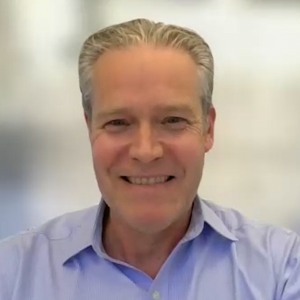
What makes the office worth the commute with Lachlan MacQuarrie | SVP Business Development & Customer Success | Canderel
Season 7 / Episode 3 / 41:59
In this episode, Lachlan discusses how CRE is evolving and why the future of office will be shaped as much by people and service as it is by buildings and technology. We also explore why hospitality is an operating philosophy, how operators can measure the impact of tenant experience, and the expanding role of property management.
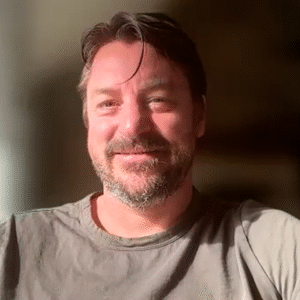
From distressed assets to destination offices with Nick Bakish | Partner | Group RMC
Season 7 / Episode 2 / 33:55
In this episode, Nick discusses what it really means to bring hospitality into commercial real estate — not as a nice-to-have, but as a table-stakes differentiator — and how owners are now using proprietary technology, real-time data, and consistent branding across their portfolios to measure and improve the tenant experience at scale.
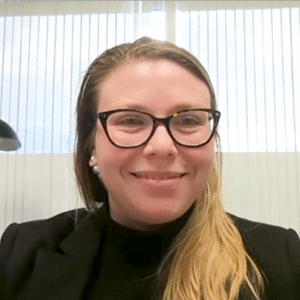
Creating office destinations outside city centers with Faron Brazis | Tenant Engagement Manager | Hobbs Brook Real Estate
Season 6 / Episode 13 / 32:42
In this episode, Faron discusses how suburban office environments are adapting to meet changing tenant expectations, the growing role of hospitality in commercial real estate, and why human connection remains essential even as technology becomes more embedded in buildings.
TEN Season 6 Highlights
On season 6 of the TEN podcast, host David Abrams connected with some exceptional leaders in commercial real estate who are at the forefront of innovation, technology, and delivering a hospitality-inspired customer experience to the workplace. Have a listen to some of our favorite clips.